Beginner gear checklist
Simple items that support safe practice.
-
Hand wrapsSupport knuckles and wrists, reduce glove slip, and improve comfort.
-
Training glovesChoose a weight and fit that allows wraps and keeps wrists neutral.
-
Basic hygieneDry gloves after training and clean wraps regularly to reduce odour.
-
Stable footwearA flat, grippy sole helps you practise footwork without sliding.
Gear does not replace coaching. If you are unsure about technique or you feel pain in wrists, knuckles, or shoulders, reduce intensity and seek qualified guidance.
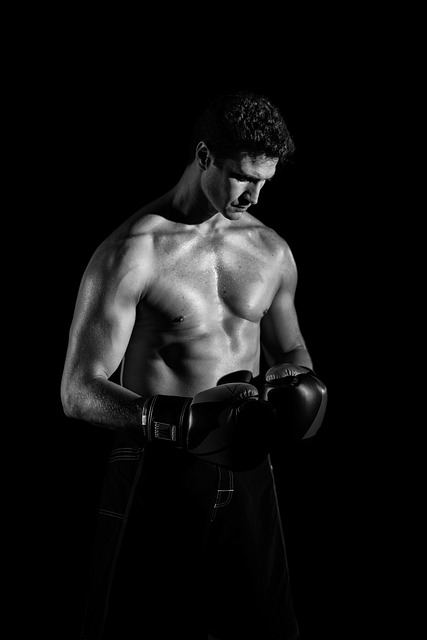
Gloves: fit, weight, and purpose
Gloves are measured in ounces. The right choice depends on what you are doing and how much padding you need for controlled training.
For boxing fitness, a glove should feel secure without forcing your hands into an awkward position. A glove that is too tight can cause friction and numbness, while a glove that is too loose can let the wrist bend during impact. For most beginners practising shadowboxing and light bag work, it is sensible to choose a training glove with enough room for wraps and enough padding to support gradual progress.
Pay attention to wrist alignment. When you make a fist inside the glove, your knuckles should sit evenly and your wrist should feel straight. If the glove encourages you to bend or “collapse” at the wrist, reduce impact and check the closure and fit. For home training, prioritise comfort and support rather than extreme stiffness or specialist competition styles.
Beginner cues
- Use wraps to reduce movement inside the glove.
- Keep the wrist straight on contact, even at low power.
- If knuckles feel sharp pressure, stop and adjust fit.
Common mistakes
- Skipping wraps and relying on glove padding alone.
- Buying a glove that is too small for wrapped hands.
- Trying to hit hard before technique is consistent.
Hand wraps: simple protection that matters
Wraps help keep the hand compact, protect knuckles, and add wrist support. They are a foundation for safe training.
Hand wraps are often treated like an optional extra, but they make a noticeable difference for comfort and control. Wrapping helps distribute pressure across the hand, reduces friction inside gloves, and can discourage wrist collapse during impact. For beginners, wraps also create a consistent feel every session, which makes it easier to repeat correct technique.
The goal is not to wrap extremely tight. A wrap that cuts circulation can cause tingling or numbness. Aim for firm support with full finger movement and normal sensation. If you are training at home without a bag, wraps can still be useful for shadowboxing because they reinforce a stable fist and reduce glove movement.
Comfort check
You should be able to open and close your hand fully without pain.
Knuckle focus
Cover the knuckles evenly so contact feels padded and stable.
Wrist line
Keep a straight wrist while making a fist and moving your arms.
If you are unsure about wrapping technique, consider asking during a beginner workshop session. A quick check can prevent long term discomfort from poor hand support.
Punching bags: types and safe setup
A bag can be useful, but it should match your space and your current skill level. Start with control and light contact.
Punching bags come in several formats: heavy bags, free standing bags, and smaller target bags. For home training, stability and safety are more important than bag size. A poorly mounted bag can damage ceilings or swing unpredictably. A bag that is too hard or too heavy for your current technique can encourage wrist collapse and shoulder strain. If you are new to impact training, practise form first, keep contact light, and build rounds slowly.
Your training area matters. Give yourself enough room to move around the bag, step away safely, and avoid striking walls or furniture. If you choose a free standing bag, check the base regularly and avoid slippery floors. For a hanging heavy bag, use professional mounting advice and inspect fixings often. Safe setup is part of disciplined training.
Quick safety checklist
- Clear floor space for footwork and exits.
- Use wraps and gloves every session.
- Start with light contact and stable wrist alignment.
- Stop if you feel sharp pain in wrists, knuckles, or shoulders.
When to add bag rounds
Add bag work after your stance and basic punches feel repeatable in shadowboxing. If you cannot keep the wrist straight and return to guard consistently, continue with non impact rounds while you build control.
Accessories that support training habits
Not every accessory is essential. Choose items that improve consistency, comfort, and safe progression.
Hydration setup
A simple water bottle and planned breaks help beginners control pace and breathing. Conditioning improves when recovery is consistent.
Round timer
Timed rounds make training structured. A steady 2 minute round is often better than rushing through long sets with poor form.
Footwork markers
Tape or small floor markers can help you practise stepping angles and distance without drifting. Keep the surface non slippery.
Light resistance
Bands can support warm ups and shoulder control work. Use them for mobility and stability rather than max effort pulling.
Focus environment
A calm setup helps you stay consistent. Keep sessions short, track rounds, and finish with a cooldown to support recovery.
Workshop support
A session with a coach can help confirm your glove fit, hand wrap technique, and safe bag distance. Good habits reduce frustration.
How this connects to equipment background
Our platform is informed by industry experience connected to boxing equipment and combat fitness products. That means we approach gear as a practical tool for learning: gloves and wraps support hand safety, bags support timing and distance, and accessories support repeatable routines. We keep the guidance neutral and educational so you can make informed choices without hype.